


Copyright © 2026 Suzhou Weeda Precision Technology Co., Ltd. All Rights Reserved. Privacy Policy XML
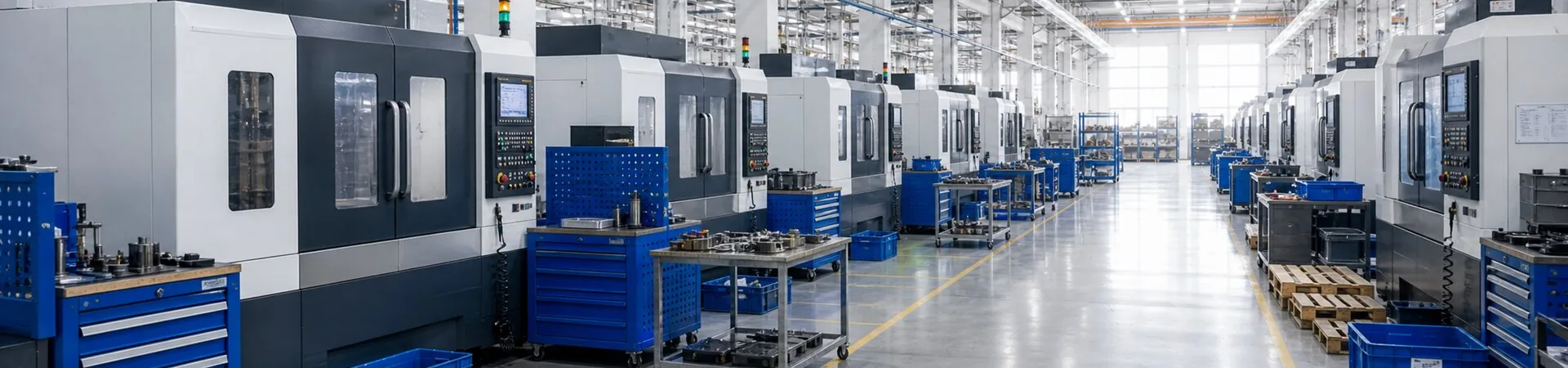
Precision Copper Components for Electronics Manufacturing
Precision Copper Components for Electronics Manufacturing support electronic devices with tight tolerance, stable fit and OEM production supply.
Product Overview
Precision Copper Components for Electronics Manufacturing Manufacturer
Precision Copper Components for Electronics Manufacturing support electronic devices with tight tolerance, stable fit and OEM production supply.
Weeda Precision makes OEM custom CNC turned and machined parts from brass, copper, stainless steel, aluminum, steel and other machinable materials. Send drawings, samples or specifications for quotation support covering prototypes, small batches and repeat production.
When sourcing custom copper parts for electronic applications, industrial buyers face critical decisions about material selection, tolerance control, and production scalability. As a precision hardware manufacturer with decades of CNC machining experience, we understand that even minor deviations in component geometry can compromise entire assemblies. Our copper custom electronic parts are engineered to meet the rigorous demands of modern electronics, automotive systems, and medical devices. From high-conductivity pins to corrosion-resistant sleeves, we deliver solutions that combine material science with tight-tolerance manufacturing.
01 What are precision machined parts for electronics
Precision machined parts refer to components manufactured to exacting specifications, typically with tolerances measured in thousandths of an inch. In electronic applications, these include connector pins, shielding sleeves, heat sinks, and contact bushings. Our CNC turning centers produce copper parts with surface finishes as smooth as 8 Ra, ensuring reliable electrical contact and minimal signal loss. Unlike stamped or cast alternatives, machined copper offers superior dimensional consistency, which is critical for high-frequency circuit boards and sensor housings. We also integrate brass insert nuts directly into plastic molded enclosures, providing durable threaded interfaces that resist stripping during assembly.

02 How brass insert nuts improve plastic molding
Brass insert nuts are specifically designed for post-molding installation or ultrasonic insertion into thermoplastic parts. Their knurled or hexagonal outer geometry creates positive locking within the plastic, preventing rotation or pull-out under torque. For consumer electronics like laptop hinges or power tool handles, these inserts eliminate the need for metal thread-forming screws, which can crack thin walls. Our brass press-fit nuts undergo 100% go/no-go gauge inspection to ensure consistent insertion depths. When used with polycarbonate or ABS, the thermal conductivity of brass helps dissipate heat from nearby components, extending the life of injection-molded assemblies.
03 Why custom CNC machined parts beat off-the-shelf
Standard hardware often forces engineers to compromise on geometry or material. With custom CNC machined parts, we optimize every feature for your specific current load, operating temperature, and assembly method. For automotive battery terminals, we adjust the copper alloy's temper to balance spring force and malleability. For medical imaging equipment, we machine slots and cross-holes into precision turned parts to accommodate wiring or fluid channels. Our multi-axis lathes produce complex forms – including undercuts, radii, and eccentric diameters – that would be impossible with screw machining. This flexibility reduces secondary operations and lowers total landed cost for both prototypes and high-volume production of custom hardware.

04 Selecting durable pins and shafts for automation
Automated assembly lines rely on precision ground shafts and locating pins that withstand millions of cycles without wear. Our stainless steel pins receive through-hardening and passivation, providing resistance to cleaning solvents and humidity. For pick-and-place machines, we manufacture custom locating pins with tapered tips that self-center PCBs during soldering. Copper alloy pins used in test fixtures maintain conductivity after repeated insertions, thanks to our controlled radius and burnished finishes. We also produce custom precision sleeves for pneumatic cylinders, where a 0.01mm ovality could cause seal leakage or jamming. Every batch includes Cpk reporting to verify that critical diameters stay within your design envelope.
05 Solving high-volume production of custom hardware
Many suppliers either specialize in prototyping or mass production, but rarely excel at both. Our facility bridges this gap with flexible CNC cells that run batches from 50 to 500,000 pieces. For high-volume production of custom hardware, we employ automatic bar feeders and in-process gauging to maintain cycle times under 15 seconds per part. This efficiency keeps per-unit pricing competitive while allowing us to retain short lead times – typically 10-15 days for 10,000-piece orders. We also stock common copper alloys (C110, C145, C360) and offer just-in-time delivery schedules synchronized with your inventory systems. Whether you need brass insert nuts for a new smartphone line or precision machined parts for industrial sensors, our scalable capacity ensures you never face supply disruptions.
06 Ensuring quality for OEM precision parts
OEM precision parts demand traceability and conformance to standards like ISO 9001:2025 and IATF 16949. Our quality plan begins with material certifications verifying copper purity and grain structure. During machining, laser micrometers measure diameters every five seconds, automatically adjusting tool offsets. Threads on brass insert nuts are checked with functional ring gauges, while custom turned parts for electronics undergo air gauging for internal bores. We also perform salt spray testing on stainless steel fasteners and microhardness checks on pins used in high-torque applications. For medical device clients, we provide full documentation including first-article inspection reports and material test reports. This rigorous approach has made us a trusted partner for companies requiring low-defect custom precision parts.
Have you experienced assembly failures or field returns caused by undersized copper pins or loose press-fit nuts?