




Copyright © 2026 Suzhou Weeda Precision Technology Co., Ltd. All Rights Reserved. Privacy Policy XML
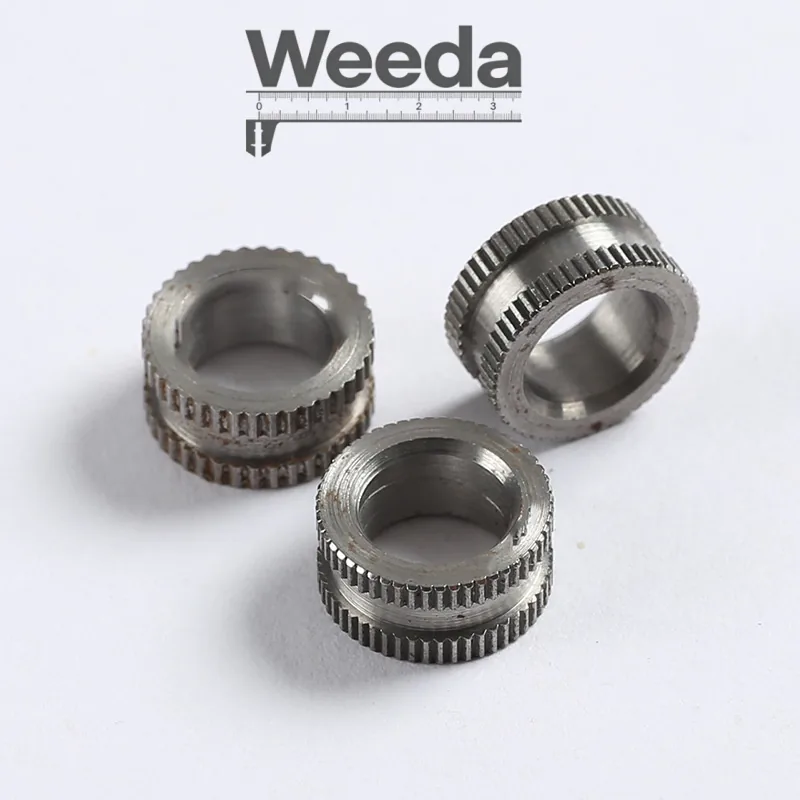
Carbon Steel Press Fit Bushings For Heavy Duty Applications
Carbon steel precision press-fit bushings provide stable performance under severe mechanical loads, and their strict compliance with dimensional standards make them a trusted dry-fit solution for industrial buyers. Carbon steel combines strength and workability, making it particularly suitable for assemblies that require high alignment and load distribution. These bushings are precision engineered to ensure reliability and are the preferred component in industrial applications.
Product Overview
Precision press fit bushings made from carbon steel deliver consistent performance under demanding mechanical loads. These components are engineered to meet strict dimensional standards, making them a trusted choice for industrial buyers who require reliable interference-fit solutions in assemblies where alignment and load distribution matter.
01. What makes carbon steel press fit bushings different from other materials
Carbon steel offers a balance of strength and machinability that is ideal for press fit applications. Unlike bronze or aluminum bushings, carbon steel variants provide higher resistance to deformation under high radial loads, especially in static mounting scenarios. For industrial machinery and automation systems, these bushings act as wear-resistant liners inside housings, reducing the need for frequent replacements. When paired with proper surface treatments such as black oxide or phosphate coating, they gain additional corrosion resistance without affecting the tight tolerances demanded by OEM precision parts.
In applications like gearbox housings or hydraulic pump assemblies, the interference fit created by carbon steel bushings ensures zero play between mating surfaces. This is critical for maintaining shaft alignment over time. The material's ability to withstand repeated press-in and removal cycles also makes it suitable for maintenance-heavy environments where components must be replaced without reworking the housing.
02. How to select the right carbon steel press fit bushing for your project
Selection begins with understanding the housing material and the operating environment. For steel housings, a standard carbon steel bushing with an H7 tolerance on the outer diameter provides a reliable interference fit. If the housing is aluminum or plastic, a thinner wall bushing with a controlled press-in force prevents distortion. In high-temperature environments, case-hardened carbon steel bushings retain their dimensional stability better than softer grades.
Surface finish also plays a role. A ground outer diameter improves the consistency of the press fit, while an internal diameter that is precision turned reduces the need for post-installation reaming. For applications involving oscillating motion or low-speed rotation, these bushings can be used as plain bearings if lubricated periodically. In automated assembly lines, custom CNC machined parts with chamfered lead-ins allow for smoother insertion and reduce assembly cycle times.
03. Why precision matters in carbon steel press fit bushings
A poorly tolerated bushing can cause housing cracking or shaft seizure. Precision machined parts with tolerances held to within ±0.01 mm ensure that the interference fit is neither too loose nor too tight. This is especially important in automotive fasteners and electronic enclosures where thermal expansion cycles can alter clearances. Our manufacturing process includes in-process gauging and final CMM inspection to guarantee every bushing meets the specified class of fit.
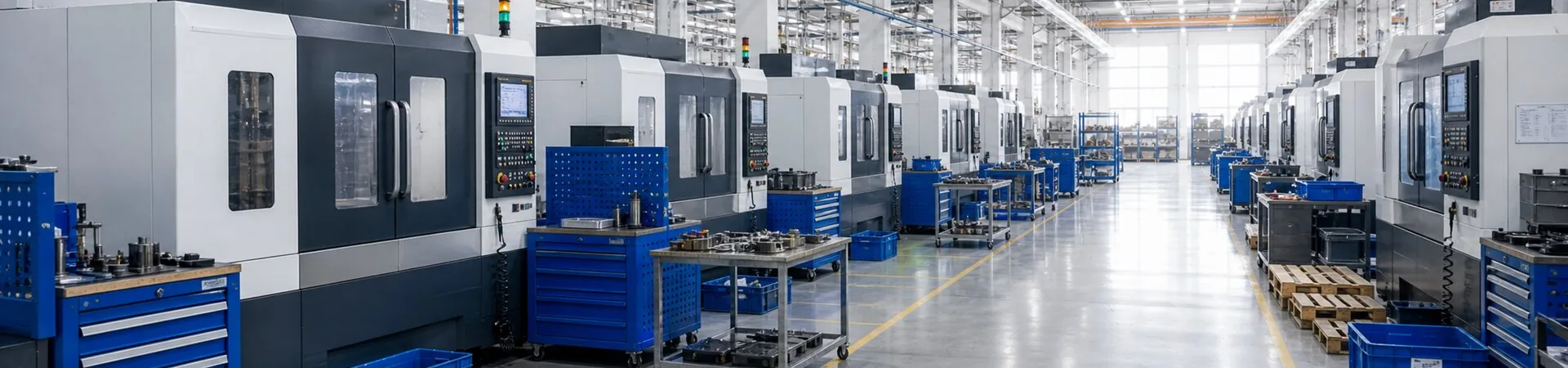
We also offer custom options such as grease grooves, flanged designs, or keyways to match specific installation requirements. For high-volume production of custom hardware, we use multi-axis CNC lathes that maintain repeatability across thousands of parts. This consistency reduces rejection rates and lowers overall assembly costs for our customers.
04. Quality control and material traceability for carbon steel bushings
Every batch of carbon steel we source comes with mill certificates verifying chemical composition and hardness. During production, we perform hardness testing and dimensional checks at multiple stages. After heat treatment, if specified, we verify case depth and core hardness to ensure the bushing can withstand the intended load. Our quality control process also includes surface roughness measurement to confirm that the bushing will seat correctly without galling.
For buyers in the medical device or aerospace industries, we can provide full traceability documentation and material certifications. This level of detail supports compliance with regulatory requirements and helps maintain audit readiness. Our commitment to continuous improvement means we regularly review our processes to reduce lead times while maintaining the tight tolerances our customers expect.