



Copyright © 2026 Suzhou Weeda Precision Technology Co., Ltd. All Rights Reserved. Privacy Policy XML
Why Automotive Brass Insert Nuts Are Essential For Precision Assemblies
The automotive industry relies heavily on brass insert nuts for their ability to join metal and plastic parts and ensure structural integrity under extreme temperatures and constant vibration. These key hardware components increase the vehicle's durability and effectively handle the harsh stresses of the road.
Product Overview
In the automotive industry, every component matters. From engine compartments to interior panels, manufacturers rely on brass insert nuts to create durable, long-lasting threaded connections. These small yet critical hardware components bridge the gap between metal and plastic parts, ensuring structural integrity under extreme temperatures and constant vibration.
How Do Brass Insert Nuts Improve Automotive Durability
Automotive vehicles face relentless stress on the road. Temperature swings from freezing mornings to scorching engine bays test every joint and fastener. Brass insert nuts excel in these conditions because of their natural corrosion resistance and thermal stability. When pressed or heated into plastic housings, they form permanent threads that won't strip or loosen over time.
Engineers designing interior dashboard assemblies often specify these components because they eliminate the need for additional brackets. A single brass insert nut provides a reliable mounting point for sensors, wiring harnesses, and control modules. Custom brass insert nuts can be manufactured with specific thread sizes, lengths, and outer geometries to fit tight spatial constraints common in modern vehicle designs.
Battery electric vehicles add another layer of complexity. High-voltage connector housings require non-magnetic materials that won't interfere with signal integrity. Brass naturally satisfies this requirement while still delivering the clamping force needed for secure electrical connections. Manufacturers producing automotive fasteners in volume demand consistency that brass threading offers across thousands of units.
What Makes Brass Ideal for Plastic Molding Applications
The bonding process between brass and engineering plastics is where these components truly shine. During injection molding, heated brass insert nuts are placed into molds. The molten plastic flows around them, creating an interlock as it cools. This mechanical bond proves stronger than most adhesive solutions and maintains its grip through repeated thermal cycling.
Material selection plays a vital role here. Different brass alloys offer varying properties. Lead-free brass meets environmental regulations while still providing excellent machinability. Cupronickel brass enhances corrosion resistance further for underbody applications exposed to road salts and moisture.
Production facilities handling both small-batch prototyping and high-volume production of custom hardware appreciate brass for its consistent machining behavior. The material cuts cleanly, holds tight tolerances, and produces minimal burr formation during threading operations. This means fewer secondary operations and faster turnaround times for automotive suppliers working to lean manufacturing schedules.
Why Choose a Partner With Proven Manufacturing Expertise
Finding a reliable supplier for precision machined parts requires evaluating several factors beyond price alone. A qualified manufacturer should demonstrate capabilities across material science, precision machining, and quality assurance. OEM precision parts for automotive use must meet rigorous specifications because a single defective component can compromise an entire assembly line.
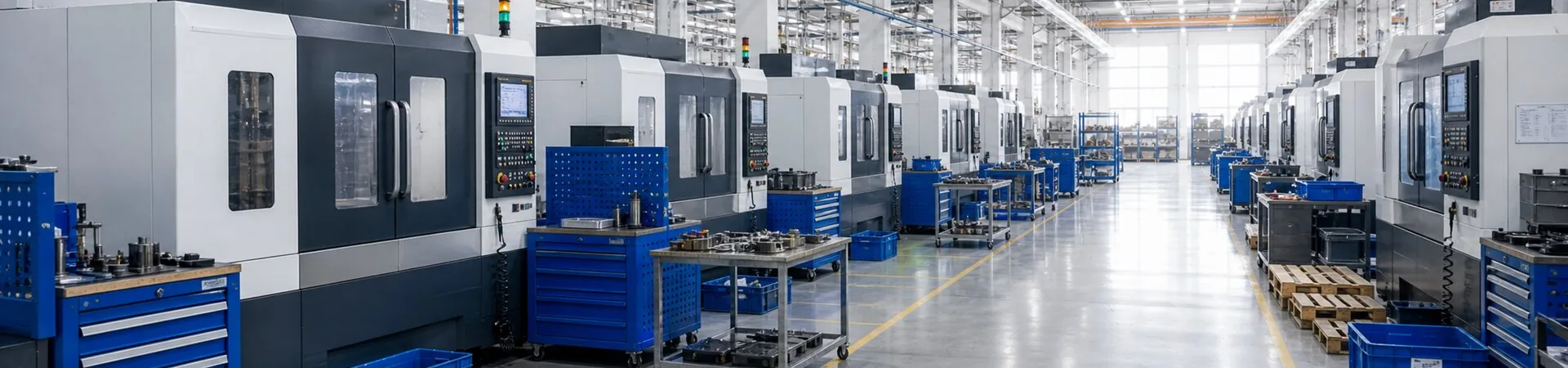
Advanced CNC lathes and multi-axis machining centers enable the production of complex geometries with tolerances as tight as plus or minus zero point zero zero five inches. Surface treatments such as nickel plating or zinc coating provide additional protection against corrosive environments without sacrificing dimensional accuracy. These finishing options extend component lifespan in demanding automotive applications.
Suppliers serving global markets must also ensure custom CNC machined parts arrive on schedule. Delayed hardware shipments can halt production lines costing thousands per hour. Experienced manufacturers maintain buffer stock for standard sizes while committing to accelerated lead times for custom orders. This dual capability supports both steady-state production runs and urgent engineering change implementations.
The automotive sector continues pushing toward lighter, more efficient vehicles. Brass insert nuts represent a proven solution that balances strength, weight, cost, and manufacturability. As electrification and smart vehicle technologies evolve, the demand for precision threaded hardware will only increase. Buyers who partner with established manufacturers gain access to technical support, rapid prototyping, and scalable production that keeps their projects moving forward.