



Copyright © 2026 Suzhou Weeda Precision Technology Co., Ltd. All Rights Reserved. Privacy Policy XML
Car Suspension Steel Bushings: A Fit Guide
Automotive suspension steel bushings are located where control arms, stabilizer bars and shock absorber mounts connect to the vehicle frame to absorb road vibrations, maintain aligned geometry and protect fasteners from corrosion. For engineers and procurement teams in the automotive and heavy machinery industries, selecting the right bushing requires a balance between wall thickness, bore diameter tolerance and material grade to ensure it withstands years of road load cycles without premature wear or noise.
Product Overview
Automotive suspension steel bushings sit at the junction where control arms, sway bars, and strut mounts bolt into the chassis. They absorb road vibration, keep alignment geometry stable, and shield fasteners from corrosive elements. For engineers and procurement teams in the automotive and heavy-machinery sectors, selecting the right bushing means balancing wall thickness, bore tolerance, and material grade so the part survives years of road-load cycles without premature wear or noise.
Why Do Steel Bushings Fail in Cars
Most premature failures trace back to a mismatch between the bushing's inner diameter and the mounting shaft. A bore tolerance of ±0.02 mm keeps the fit tight enough to prevent slop, yet loose enough to allow thermal expansion. When the clearance exceeds that window, micro-movement develops at the joint, grinding against the control arm's steel housing and accelerating material loss on the bushing's outer race.
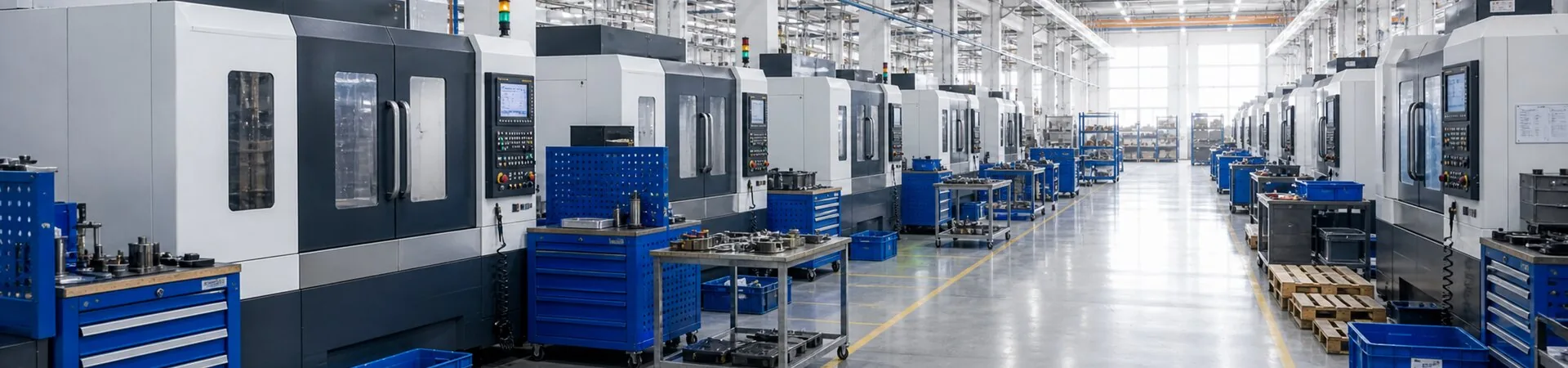
In high-volume production lines, this tolerance is held through CNC turned parts machined on multi-axis lathes, where concentricity stays under 0.05 mm TIR. Every batch runs through CMM inspection and hardness mapping before release. For aftermarket or repair shops, even a single out-of-spec bushing can throw wheel alignment off by half a degree, pulling the vehicle to one side and shortening tire lifeably notice.
What Materials Suit Car Suspension Bushings
Standard chrome-moly steel (42CrMo4) handles most passenger-car suspension loads, but heavy-duty commercial vehicles push into custom precision sleeves made from hardened 5140 or alloy 4140 with a carburized surface. Lead times on these alloy parts run two to three weeks longer than carbon-steel equivalents, so planning the BOM early matters. The choice shifts for electric-vehicle platforms, where NVH requirements favor a composite rubber-steel sandwich rather than solid steel, though the outer sleeve still follows automotive fastener specifications.
For buyers comparing options, note that stainless steel bushings add corrosion resistance for coastal or chemical-exposure environments but come at a 20–30% cost premium over carbon steel. The right call depends on the vehicle's service-life target and the chemical exposure profile of its operating region.
Whether you are specifying bushings for a new-model program or sourcing replacements for a 500-vehicle fleet, confirming the bore class, material heat-treatment spec, and surface finish—phosphate, zinc, or passivated—before releasing a purchase order saves weeks of field rework. It also keeps warranty claims out of your pipeline and protects the brand reputation you have built around vehicle reliability.