



Copyright © 2026 Suzhou Weeda Precision Technology Co., Ltd. All Rights Reserved. Privacy Policy XML
Custom Copper Parts For Sensors
Copper custom machined components are crucial for sensors, addressing the challenge of managing tight thermal loads while ensuring stable electrical contact over numerous cycles. The choice of material for sensor housings, signal pins, and thermal interfaces is critical for device reliability. Key factors, including tolerance requirements, significantly impact performance and durability in real-world applications.
Product Overview
Copper custom machined components for sensors solve a problem most engineering teams hit early: finding hardware that handles tight thermal loads while maintaining stable electrical contact over thousands of cycles. In sensor housings, signal pins, and thermal interfaces, the material you choose dictates whether your device survives the field or fails in testing. Here is what actually matters when specifying copper parts for sensor applications.
01 What tolerance do copper sensor parts need
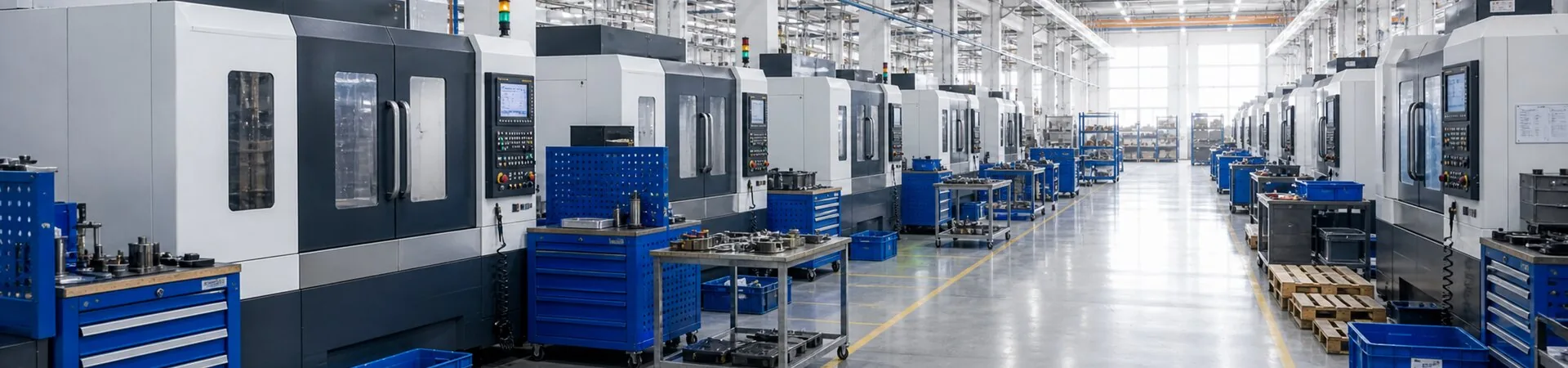
Most sensor assemblies require ±0.01 mm on critical diameters. A precision turned part like a copper sleeve that guides a probe into a housing will not tolerate sloppy boring. We run CNC lathes with live tooling to hold concentricity within 5 microns, which keeps your pin-and-sleeve interface stable even under thermal cycling from −40 °C to 120 °C.
For smaller signal pins and custom locating pins, tolerance gets even tighter. We have produced custom CNC machined parts at ±0.005 mm for medical-grade proximity sensors where a single micron of play throws off the reading. The key is matching your drawing specs to our multi-axis turning capability rather than guessing what close enough means.
02 How copper holds up in sensor environments
Copper thermal conductivity—roughly four times that of stainless steel—makes it the default material when your sensor dissipates heat through its housing. Custom copper sleeves pressed into a die-cast aluminum enclosure pull heat away from the sensing element fast enough to avoid drift. A thin nickel or tin plate on the outer surface keeps things compatible with stainless steel fasteners without galvanic corrosion eating your contact surfaces.
Wear resistance is the other half. In robotics and automation, sensor arrays vibrate constantly. A precision machined component such as a copper bushing with a self-lubricating bronze insert outlasts a plain plastic sleeve by an order of magnitude. We offer flanged, plain, and thrust sleeve geometries so your mechanical team does not have to redesign the mounting.
We handle both small-batch orders (50 pieces) and high-volume runs (50,000+) of precision turned parts for electronics, automotive, and medical device makers. Every lot ships with material certificates and a first-article inspection report. If you are sourcing high precision custom fasteners or custom hardware for plastic injection molding—press-fit copper insert nuts, heat-set variants, ultrasonic types—we support that full workflow. Lead times typically land in 10 to 15 business days for standard geometries, and we quote your next project within 48 hours of receiving a drawing.