


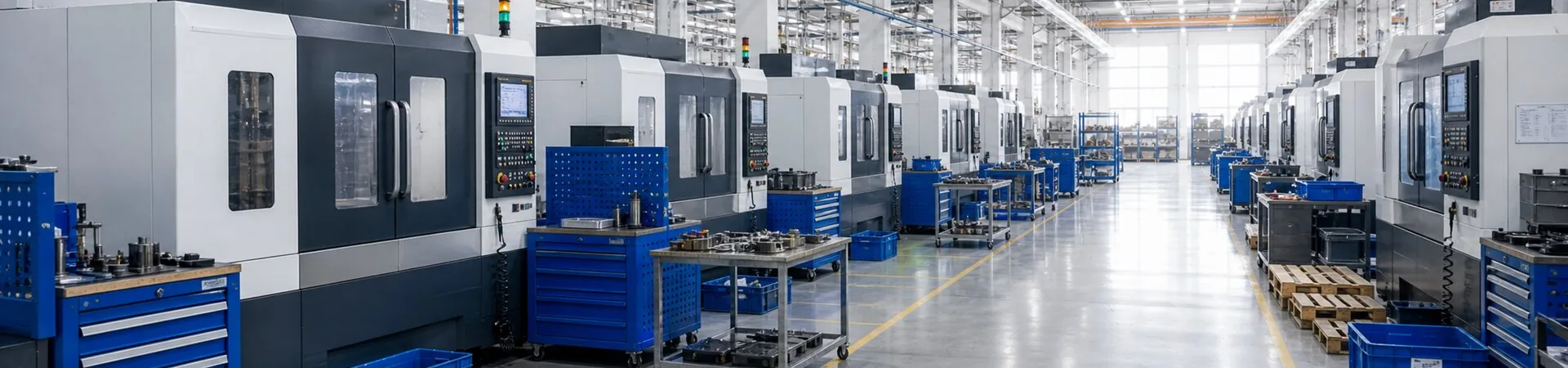
A common problem when sourcing small complex parts: the buyer sends a drawing designed for 3-axis work, the supplier quotes at ±0.05mm, and the part fails in final assembly. Multi-axis CNC machining removes one setup constraint but shifts the risk onto tolerance stacking and fixturing error. A few checks before the RFQ goes out can save a rework cycle and a lost production slot on the line.
what multi-axis CNC machining actually solves
On a 3-axis lathe or mill, every new face means a new setup and a new clamp. Multi-axis CNC machining reaches five faces in a single fixture. For precision turned parts like bushings, sleeves, pins, and threaded inserts, that means coaxial tolerance between the bore and the outside diameter inside stays one ±0.01mm window instead of accumulating error across multiple setups.
On brass, copper, or stainless steel shafts running 0.8 to 12mm in diameter, one setup eliminates re-fixturing drift. That is the practical gain buyers should weigh when comparing quotes, not just the axis count listed on the machine spec sheet. On parts for electronics housings or medical device assemblies, the benefit shows up in yield: fewer scrap pieces, less hand-finishing before the part hits the next station.
multi-axis CNC machining tolerance and inspection
A typical callout for a precision machined part is ±0.01mm on bore and OD, with thread run-out held under 0.02mm. Confirm whether the supplier inspects with a CMM or an optical comparator, and whether the inspection report includes thread gauge pass/fail data and a Ra reading for every surface finish callout on the drawing.
For bronze or copper insert nuts used in plastic molding or sensor housings,specify the Ra number directly on the drawing. "Fine finish" without a value gets interpreted differently at every shop. Request a sample quantity of three to five pieces with first-article inspection before committing to the full batch run.
Attach the current drawing revision, state annual volume and prototype count, and list packaging and lead-time expectations in the RFQ. Weeda Precision supports multi-axis CNC turning, prototype builds, batch production, and inspection discussion, so the quote returns with a tolerance table you can verify line by line before releasing the purchase order.