


Copyright © 2026 Suzhou Weeda Precision Technology Co., Ltd. All Rights Reserved. XML

 Language
 More Language
Language 
Release time:2026-05-28 Visits:104
As global supply chains grow more interconnected, industrial buyers face a persistent challenge: sourcing precision machined parts that meet both metric and imperial size standards. This dual-standard reality is not a passing trend but a fundamental requirement for OEM precision parts used across automotive, electronics, automation, and medical device sectors. Understanding how manufacturers manage this complexity is critical for procurement managers and engineers who demand reliable, interchangeable custom CNC machined parts for cross-border production lines.
01 Why Do Industrial Buyers Need Both Metric and Imperial Precision Parts
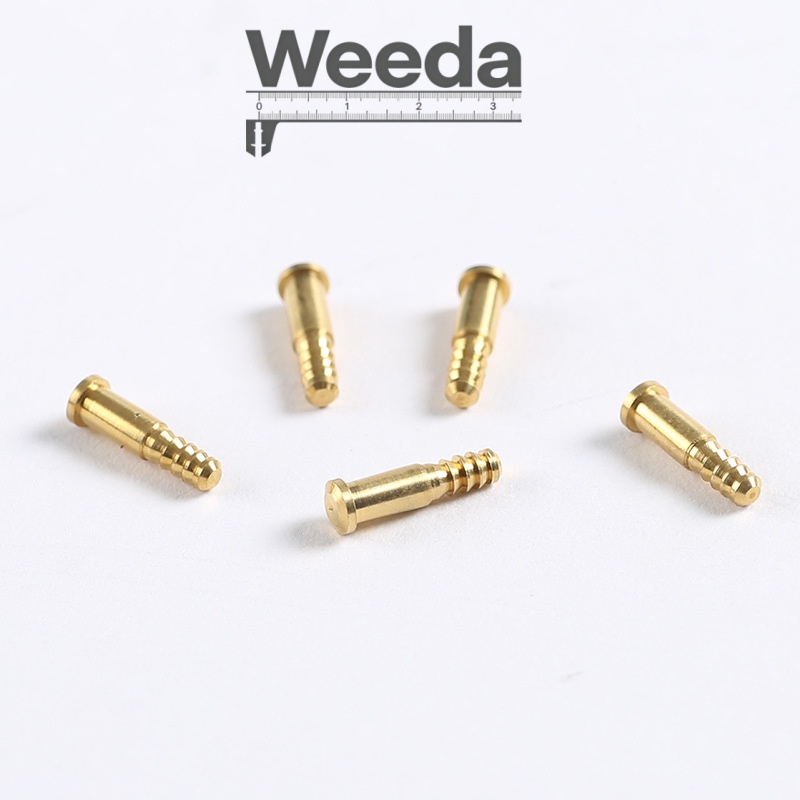
The simple answer lies in the global distribution of design heritage. American aerospace and automotive industries have long relied on imperial measurements—fractions of an inch, thread counts per inch, and inch-based tolerances—while European and Asian markets operate predominantly on metric system millimeters and ISO thread standards. A single assembly line in a multinational plant may require stainless steel bushings in inch dimensions for a legacy machine and precision ground shafts in metric for a new robotic arm. This forces suppliers to maintain parallel inventories and manufacturing capabilities. For example, brass insert nuts used in plastic injection molding often come in both M6 metric and 1/4-20 imperial thread forms, depending on the mold base origin. Buyers searching for custom locating pins will find that a failure to offer both standards can halt production, as replacement parts must match existing tooling exactly. Manufacturers that stock and machine both metric and imperial custom precision sleeves provide a critical buffer against supply chain delays.
02 How Do CNC Turning Services Handle Mixed Standard Specifications
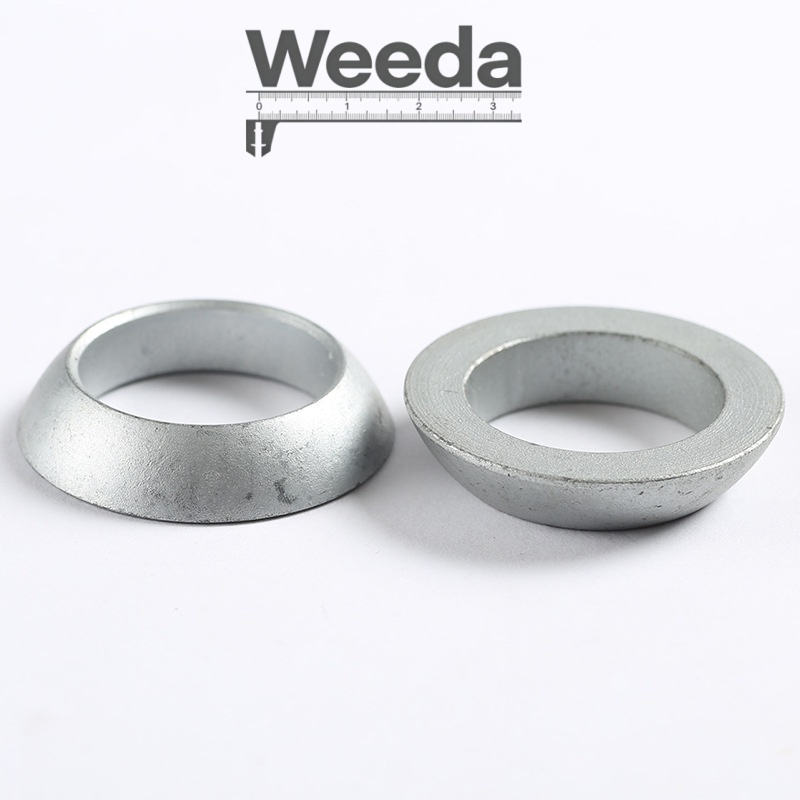
Modern CNC turning services have adapted by programming machines that can switch seamlessly between metric and imperial measurement inputs. This is not merely a matter of unit conversion; it involves understanding thread pitch equivalents, material shrinkage tolerances, and quality control protocols for each standard. For precision turned parts like shafts or pins, a 10-millimeter diameter is not the same as a 3/8-inch diameter, even though they are close—the difference can cause binding or loosening in an assembly. Skilled manufacturers maintain separate tooling sets for high precision custom fasteners in each standard and use calibrated inspection equipment that reads both. For instance, custom fasteners for plastic injection molding require tight tolerances for press-fit nuts, whether those nuts are brass press-fit nuts in metric M8 or stainless steel fasteners in imperial 5/16-18. Production teams also apply specific heat treatment and surface finish specs based on whether the custom copper parts will serve in a metric European sensor housing or an imperial American hydraulic system. The ability to document both standard equivalents on certificates of conformance gives buyers confidence when sourcing custom hardware manufacturing across regions.
The market will continue demanding flexibility as new products blend old and new standards. Automotive fasteners for electric vehicles increasingly mix metric motor components with imperial chassis designs. Custom turned parts for electronics often follow metric PCB hole patterns but use imperial connector threads. Suppliers that invest in dual-standard CNC turning services and maintain robust inventories of industrial bushings, sleeves, pins, and nuts in both systems will serve as indispensable partners. For procurement managers, the smartest move is to partner with a manufacturer that treats metric and imperial sizes not as an afterthought but as a core competency woven into every custom CNC machined part they produce.