


How custom CNC machined brass and copper insert nuts improve durability and reliability in plastic injection molding and electronics assembly.
SHENZHEN, China – As industrial designers push the limits of lightweight materials, the demand for reliable plastic assembly fasteners continues to rise. Engineers across automotive, consumer electronics, and medical device sectors increasingly face a common bottleneck: how to securely fasten components into soft or brittle plastic substrates without cracking, loosening, or failing over time. The answer lies in precision-engineered insert nuts and custom hardware designed specifically for plastic assembly.
Lead Paragraph: The growing use of engineering plastics in place of metals has created a critical need for high precision custom fasteners that can withstand repeated assembly, thermal cycling, and vibration. Brass insert nuts, copper insert nuts, and press-fit nuts have emerged as essential solutions for OEM precision parts in applications ranging from automotive sensor housings to handheld electronics. These custom CNC machined parts provide the threaded anchor points that plastic alone cannot deliver, enabling faster production cycles and stronger end products.
Background and Market Context
The global push toward lighter, more cost-efficient designs has driven a surge in plastic-over-metal substitution. Yet plastic's inherent softness and creep behavior pose real challenges for threaded fasteners. Standard screws often strip plastic threads, while ultrasonic welding adds cost and cycle time. This is where precision turned parts like brass press-fit nuts and self-lubricating bronze bushings step in. By using custom precision parts engineered to exact interference fits, manufacturers achieve repeatable insertion with minimal stress on the plastic host. In the automotive sector, for example, automotive fasteners must survive under-hood temperatures and constant vibration; custom locating pins and precision ground shafts made from stainless steel or brass provide the dimensional stability needed for long-term reliability.
Key Innovations in Insert Nut Design
Modern custom hardware manufacturing has evolved to address the specific demands of plastic assembly. Brass insert nuts, for instance,feature knurled or barbed exteriors that lock into the plastic during heat or ultrasonic insertion. These custom machined parts are produced via CNC turning services that hold tolerances within microns, ensuring consistent pull-out and torque resistance. For applications requiring electrical conductivity or corrosion resistance, copper insert nuts are preferred, while stainless steel fasteners serve medical and food-grade environments. The trend toward miniaturization in consumer electronics has also driven demand for custom precision sleeves and custom turned parts for electronics, where space is at a premium and every micron counts. High-volume production of custom hardware now routinely includes brass press-fit nuts with internal threads as small as M1.6, produced with the same quality control rigor as larger industrial bushings.
Industry Applications and Use Cases
The versatility of plastic assembly fasteners spans multiple industries. In automation and robotics, custom CNC machined parts are used to anchor sensor brackets and actuator mounts into polycarbonate enclosures. For plastic injection molding, custom fasteners for plastic injection molding include threaded inserts that are placed directly into molds, becoming permanent parts of the finished component. These ODM custom hardware solutions allow molders to reduce secondary operations and improve cycle times. In aerospace, precision machined components like stainless steel bushings and custom locating pins are specified for lightweight composite assemblies where thermal expansion must be carefully managed. Medical device manufacturers rely on precision turned parts for plastic assembly of diagnostic equipment housings, where biocompatibility and sterilization resistance are non-negotiable. Across all these sectors, using high precision custom fasteners eliminates the risk of thread stripping and reduces field failures, directly improving product lifecycle and brand reputation.
Company Expertise and Quality Standards
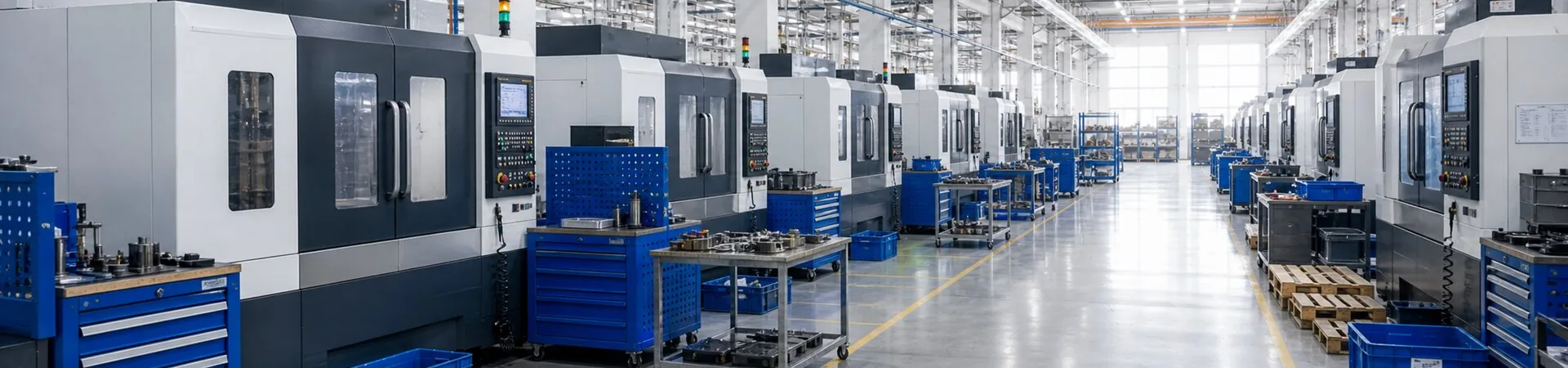
One key partner in this space is a precision hardware manufacturer with decades of experience in producing custom precision parts for demanding environments. Their facility houses multi-axis CNC lathes capable of machining brass, copper, bronze, stainless steel, and aluminum to tolerances as tight as ±0.005 mm. Every batch of custom precision machined parts undergoes rigorous inspection, including CMM measurement, optical sorting, and torque testing. Quality certifications such as ISO 9001 and IATF 16949 ensure that each lot of brass insert nuts or precision machined components for automation meets traceability and performance standards. Their engineering team works directly with clients to design custom hardware manufacturing solutions that optimize insertion force, retention strength, and material compatibility, whether for low-volume prototypes or high-volume production of custom hardware running into the millions of units per year.
Future Outlook and Closing Statement
As plastic compounds grow more diverse and design cycles shorten, the role of plastic assembly fasteners will only expand. The trend toward integrated sensor systems, modular electronics, and lightweight vehicles will continue to drive demand for reliable, cost-effective insert solutions. Manufacturers that invest in precision CNC turning services and reliable quality systems will be best positioned to serve these evolving needs. “Our goal is to provide custom CNC machined parts that engineers can specify with absolute confidence, knowing that each brass press-fit nut or precision ground shaft will perform exactly as designed in the plastic assembly," said a company representative. "We are seeing increased demand for custom copper parts and self-lubricating bronze bushings, especially as customers push for longer service life and higher reliability in harsh environments. The future of plastic assembly is built on precision, and we are proud to deliver that foundation."