


Stainless steel bushings deliver durability and precision for demanding industrial environments
SHENZHEN, China – As manufacturing engineers and procurement managers across automotive, electronics, and automation sectors confront rising demands for equipment longevity and reliability, the humble bushing has emerged as a critical component where material selection can make or break performance. Stainless steel bushings, once considered a premium upgrade, are rapidly becoming the standard specification for applications where corrosion resistance, dimensional stability, and extended service life are non-negotiable.
What makes stainless steel bushings different from standard industrial bushings
The fundamental distinction between standard carbon steel industrial bushings and their stainless steel counterparts lies in material chemistry and its direct impact on performance. While carbon steel bushings offer adequate strength for many general-purpose applications, they remain vulnerable to oxidation and surface degradation in environments exposed to moisture, chemicals, or temperature fluctuations. Stainless steel bushings, particularly those manufactured from grades 303,304, or 316, provide inherent corrosion resistance that extends component life by three to five times in challenging environments.
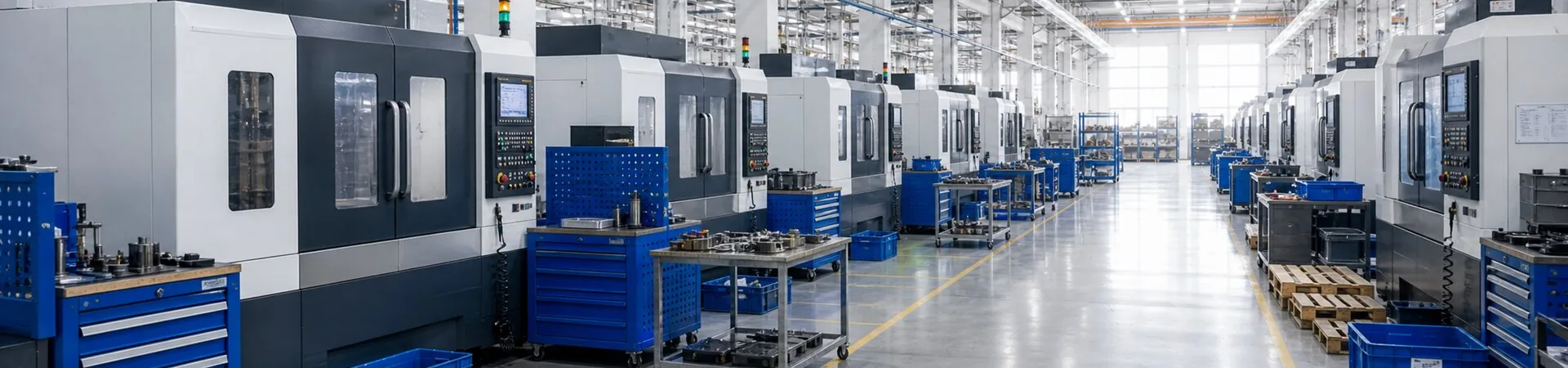
For manufacturers of precision machined components, the shift toward stainless steel bushings represents more than a material upgrade. It demands fundamental changes in machining approach. Stainless steel's work-hardening characteristics require specialized tooling geometry, optimized speeds, and rigorous coolant management. Companies offering custom CNC machined parts must invest in rigid machine platforms and advanced toolpath strategies to maintain tight tolerances on stainless steel bushings, where dimensional variation of even a few microns can compromise fit and function in precision assemblies.
The applications driving adoption are diverse. In automation systems, stainless steel bushings serve as guide elements for linear motion assemblies, where their resistance to galling and surface degradation ensures consistent positioning accuracy over millions of cycles. For medical device manufacturers, the material's compatibility with sterilization processes and resistance to biological corrosion makes stainless steel bushings the default choice for equipment exposed to repeated cleaning protocols. In aerospace and defense, where reliability under extreme conditions is paramount, precision turned parts made from stainless steel must meet rigorous material traceability and certification requirements.
How to select the right stainless steel bushing for your application
Choosing the correct stainless steel bushing requires engineers to evaluate three interconnected factors: operating environment, load characteristics, and assembly method. The mistake many specifiers make is treating bushings as commodity items rather than engineered components that must match specific application requirements.
For applications involving oscillating motion with low to moderate loads, self-lubricating bronze bushings remain a viable alternative, but stainless steel bushings offer superior performance when contamination from lubricants must be minimized. In food processing equipment, for example, the absence of lubricant migration eliminates a significant contamination risk while providing wear resistance comparable to oil-impregnated bronze. Custom precision parts manufacturers now offer stainless steel bushings with integrated dry lubricant coatings or surface treatments that further reduce friction without compromising corrosion resistance.
The dimensional precision of stainless steel bushings directly affects system performance. High precision custom fasteners and bushings must hold bore diameters within ±0.01mm and outer diameters within ±0.02mm to ensure proper press-fit installation and consistent shaft alignment. Manufacturers of custom CNC machined parts employ statistical process control and coordinate measuring machines to verify these tolerances across production batches. For applications requiring absolute precision, such as precision ground shafts operating within bushing assemblies, the bushing's internal surface finish must be specified and measured to prevent accelerated wear of both components.
Material grade selection deserves careful consideration. While 304 stainless steel provides good corrosion resistance for most indoor applications, 316 stainless steel bushings offer superior resistance to chloride exposure and acidic environments found in chemical processing or marine applications. For applications requiring magnetic properties or specific mechanical characteristics, custom precision parts manufacturers can produce bushings from 303, 416, or 17-4 PH stainless steels, each offering different combinations of machinability, strength, and corrosion resistance.
The future of stainless steel bushings points toward increased integration with smart manufacturing systems. OEM precision parts manufacturers are developing bushings with embedded sensors for wear monitoring, enabling predictive maintenance schedules that reduce unplanned downtime. For procurement managers managing high-volume production of custom hardware, the trend toward standardization of stainless steel bushing dimensions across platforms promises simplified inventory management and reduced supply chain complexity.
“The precision manufacturing industry is moving away from treating bushings as commodity items,” notes the technical director of a leading custom hardware manufacturing facility. “Engineers now recognize that selecting the right bushing material and geometry directly impacts machine uptime, product quality, and total cost of ownership. Stainless steel bushings represent an investment in reliability that pays dividends through extended service intervals and reduced maintenance costs.”