


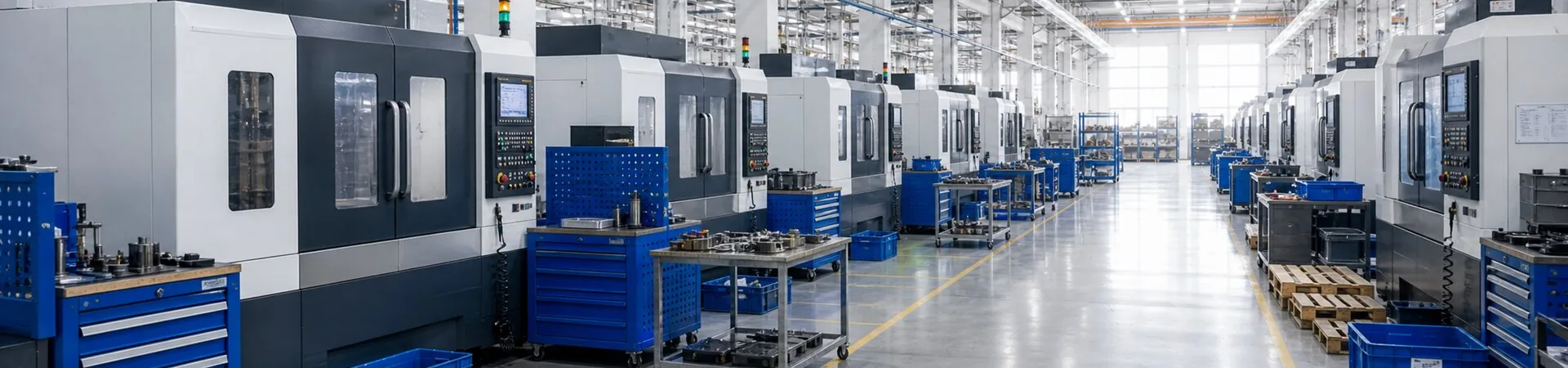
Leading precision hardware manufacturers integrate advanced material testing protocols to ensure reliability across automotive, electronics, and automation sectors.
Dateline/Opening: SHENZHEN, China – In an era where industrial components are expected to perform with near-zero defect rates, material testing has emerged as a critical differentiator for suppliers of custom CNC machined parts. For procurement managers and engineering teams sourcing OEM precision parts, the ability to verify material composition, mechanical properties, and structural integrity is no longer optional—it is a prerequisite for long-term supply chain stability.
Lead Paragraph: As global demand for high precision custom fasteners and precision machined components continues to grow across industries such as automotive, medical devices, and automation, manufacturers are placing greater emphasis on rigorous material testing protocols. This shift reflects a broader industry trend: industrial buyers increasingly require documented proof that custom turned parts for electronics and other mission-critical applications meet exact specifications. Material testing, including tensile strength analysis, hardness verification, and metallographic inspection, has become a standard step in the production of everything from stainless steel bushings to custom locating pins.
Body Paragraph 1: The Market Context for Material Testing
The industrial hardware supply chain is under unprecedented pressure to deliver reliability. A single faulty bushing or improperly tempered brass insert nut can cause costly downtime in automated production lines or compromise the safety of medical equipment. This reality has driven OEMs and Tier 1 suppliers to mandate stricter material verification from their custom hardware manufacturing partners. For suppliers of custom precision parts, investing in in-house material testing equipment—such as spectrometers, hardness testers, and coordinate measuring machines—is now a competitive necessity. Companies that can provide certified material test reports alongside their precision turned parts gain a clear advantage in winning contracts for high-volume production of custom hardware.
Body Paragraph 2: Material Testing in Practice – From Steel to Bronze
The scope of material testing extends across the full spectrum of alloys used in precision machining. For stainless steel fasteners and precision ground shafts, testing confirms resistance to corrosion and fatigue under cyclic loading. For custom copper parts and self-lubricating bronze bushings, chemical composition analysis ensures proper alloy ratios for thermal and electrical conductivity. In the production of brass press-fit nuts and copper insert nuts used in plastic injection molding, material verification is essential to prevent cracking during installation. Advanced manufacturers now integrate testing into every stage of Production, from raw material incoming inspection to final quality control of custom precision sleeves and industrial bushings.
Body Paragraph 3: Industry Applications and Quality Standards
Material testing is particularly stringent in sectors where failure is not an option. In automotive, custom fasteners for plastic injection molding must withstand high temperatures and repeated stress cycles; testing validates their tensile strength and elongation properties. For precision machined components for automation, such as custom locating pins and shafts, hardness testing ensures wear resistance over millions of cycles. In electronics, custom turned parts for consumer electronics must meet RoHS and REACH compliance, which requires verified composition material data. Leading manufacturers of custom CNC machined parts now offer full traceability, with material certificates accompanying each batch of high precision custom fasteners.
Body Paragraph 4: Company Expertise and Forward-Looking Commitment
One of the key advantages of partnering with an experienced ODM custom hardware supplier is access to comprehensive material testing capabilities. These manufacturers maintain in-house metallurgical labs staffed with trained technicians, enabling real-time quality verification without outsourcing delays. By combining CNC turning services with rigorous testing protocols, they deliver custom precision parts that meet the tightest tolerances—often within ±0.005 mm. This capability is particularly valuable for clients producing sensor equipment, medical implants, or aerospace components, where material integrity is non-negotiable. The trend toward integrated testing also supports lean manufacturing initiatives, as it reduces the risk of defective parts entering assembly lines.
Closing Quote/Statement: “Material testing is the backbone of confidence in precision hardware,” said a senior quality engineer at a leading custom precision parts manufacturer. “When we provide a material test report alongside custom CNC machined parts, we are verifying a specification—we are building trust. For our clients, that trust translates into fewer field failures, lower total cost of ownership, and faster time to market. As industries demand higher performance from smaller, lighter components, material testing will only grow in importance.”