


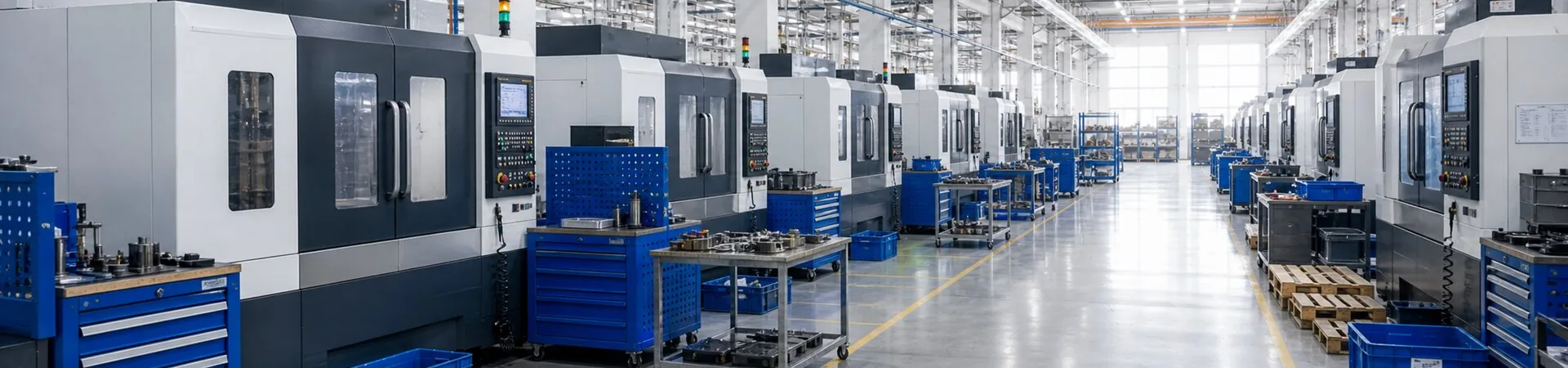
Procurement managers often face a dilemma when sourcing components. They need high-precision metal parts but must also meet corporate sustainability goals. Vague "green" labels on quotes do not help engineers verify actual environmental impact.
This gap creates risk. Buyers might select suppliers based on marketing rather than measurable data. Without clear criteria, it is hard to compare vendors for custom CNC machined parts.
What does eco-friendly production mean in machining?
In the context of small precision metal parts, sustainability is not just about recycling scrap. It involves energy efficiency during CNC turning services and waste management. Factories that invest in modern spindle motors use less electricity per part. This reduces the carbon footprint of each unit produced.
Waste handling is another critical factor. Metal chips from aluminum or stainless steel can be recycled indefinitely. However, oil-based coolants require proper disposal. Suppliers who use dry machining or biodegradable coolants demonstrate a tangible commitment to eco-friendly production.
Buyers should look for ISO 14001 certification. This standard proves the facility has a managed environmental system. It is a basic requirement for serious OEM partnerships.
How to check supplier environmental claims?
Verifying claims requires specific questions in your RFQ. Do not accept general statements. Ask for energy consumption data per kilogram of material removed. Large volume orders benefit significantly from efficient machining centers.
Packaging materials matter too. Request suppliers to use recyclable cardboard or returnable containers. This reduces landfill waste and lowers shipping costs over time. For precision turned parts, minimizing protective film usage also helps the environment.
Material selection plays a role. Aluminum and brass are easier to recycle than some exotic alloys. Choosing the right material for bushings or sleeves can simplify end-of-life recycling. Discuss material traceability with your supplier.
Which documents prove sustainable practices?
Ask for an Environmental Product Declaration (EPD) if available. This document details the lifecycle assessment of the part. It includes data on raw material extraction, manufacturing energy, and transport emissions.
Inspection reports should also reflect quality control standards. Poor quality leads to waste. Reworked parts consume extra resources. Therefore, high first-pass yield rates are an implicit sustainability metric. Precision machined parts that meet tolerances the first time save energy and material.
For small batches, ask about coolant reuse systems. For high-volume runs, inquire about chip compaction services. These details show operational maturity.
When sourcing for automation equipment or medical devices, consistency is key. A supplier with stable environmental processes is less likely to have disruptions due to regulatory fines.
Practical steps for your next RFQ
Include sustainability criteria in your technical requirements. Specify preferred packaging methods. Ask for a breakdown of energy sources used in manufacturing.
Start with a sample order. Evaluate the packaging and documentation upon receipt. Check if the supplier provides clear recycling information for metal scraps.
Building a relationship with a supplier who values eco-friendly production reduces long-term risks. It aligns your supply chain with global regulatory trends. Ensure OEM precision parts meet both functional and ethical standards.
Focus on transparency. A supplier willing to share data is usually proud of their practices. This openness leads to better collaboration on future projects.