


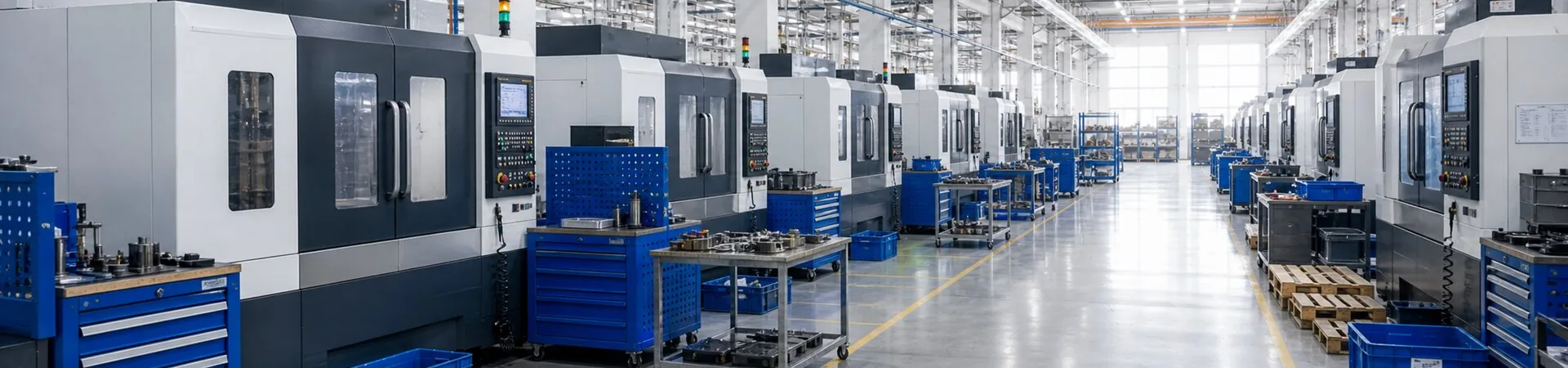
When ordering precision parts for automation systems, buyers often send a drawing and expect the supplier to handle the details. The result is too many burrs left on contact surfaces, threads that won't pass a ring gauge, or parts made from the wrong alloy grade. A tighter specification from the start saves time on rework and rejects, and it also keeps the quoting process faster.
Material selection determines how long a component lasts under repeated motion. Automation equipment components frequently use brass, copper, bronze, stainless steel, and aluminum. A pin running inside a linear guide needs different wear properties than a structural bracket. Brass and bronze bushings provide good sliding characteristics for low-load applications, while stainless steel pins and shafts handle higher corrosive environments. Selecting the right alloy for the load and speed conditions avoids premature failure and costly field replacements.
Tolerance stack-up is where many orders get complicated. Small precision machined parts for automation equipment typically require ±0.025 mm to ±0.05 mm on critical diameters and thread features. Outside that range, the assembly may still function, but repeatability drops across thousands of cycles. Multi-axis machining handles complex geometries, but the tighter the tolerance band, the more passes are needed and the higher the scrap risk. Buyers should call out which diameters are datums and which surfaces must meet specific finish requirements.
Inspection should be agreed before production starts. Burrs on mating surfaces cause alignment issues in sensor mounts and linkage assemblies. Threaded inserts and copper insert nuts must be verified with thread gauges. Surface finish matters on shafts and sleeves that see sliding contact. A proper inspection report includes dimensional data, material certification, and a clear record of any deviations. Request this upfront so there is no ambiguity when the shipment arrives.
Production quantity affects pricing and tooling strategy. A prototype run of ten bushings uses different setup than a batch of five hundred. CNC turning services can handle both, but lead time and per-unit cost shift significantly between runs. Annual volume commitments also change how a machine shop plans material stock and capacity. Buyers who share their forecast — even a rough range — help the supplier quote more accurately and reserve production slots.
Buyers should include clear requirements in every RFQ for automation equipment components. The drawing revision number, material grade, tolerance callouts, surface finish specification, and whether a full inspection report is required. Mention the application — plastic molding, sensors, automation equipment, medical devices, electronics, or automotive assemblies — so the supplier can suggest practical machining approaches. Also specify packaging, labeling, and any traceability needs. A complete RFQ reduces back-and-forth and gets you a meaningful quote faster.
Working with a supplier that supports drawing-based CNC machining, prototypes, batch production, and inspection discussion helps keep the process straightforward. Weeda Precision provides CNC turning services for custom fasteners, brass insert nuts, stainless steel bushings, pins, shafts, sleeves, and other OEM precision parts. The team reviews each drawing for manufacturability before quoting and flags any features that might increase cost without adding value.
One practical recommendation: always request a first-article sample before committing to full production, and verify critical dimensions against your drawing before the shipment goes out. This single step catches issues that would otherwise show up during assembly or worse, in the field.