


Sourcing custom hardware fabrication for small precision parts often stumbles at the quoting stage. Buyers send a quick 2D sketch, receive a ballpark quote, and discover three weeks later that the vendor interpreted the tolerances differently than intended. The result is scrapped material, costly rework, and a project schedule that has already slipped past its milestone.
What goes into a custom hardware fabrication RFQ
Start with a 3D STEP or IGES file, not just a 2D drawing. Specify the material grade — 316L stainless, C360 brass, 6061 aluminum, or SAE 1018 — and call out thread class if the part carries functional threads. State whether you need a first-article inspection report or a dimensional check against a specific ASME Y14.5 callout. If your annual volume runs past 5,000 pieces, mention it in the RFQ; that changes the tooling and setup conversation significantly.
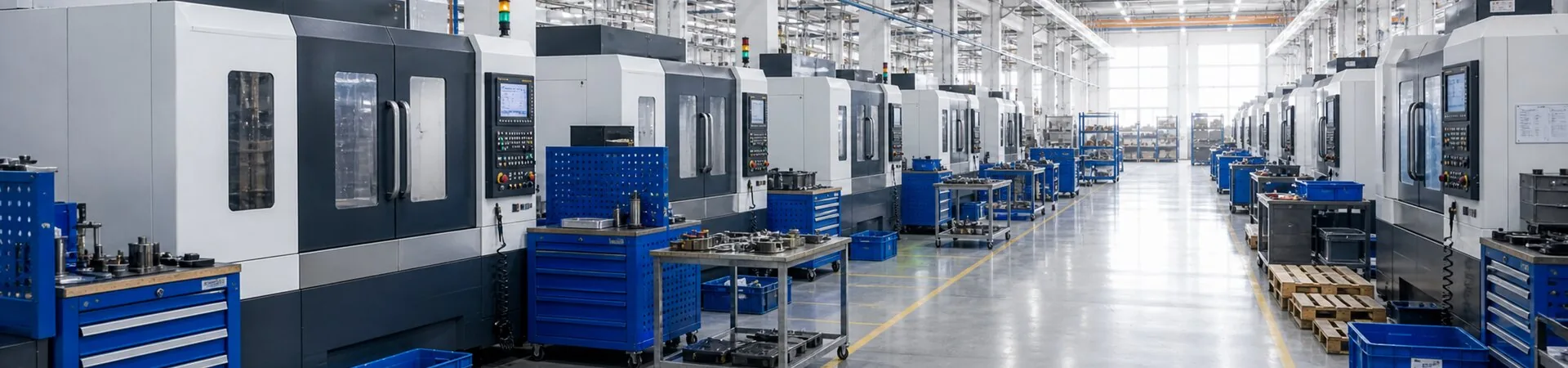
Weeda Precision supports drawing-based CNC turning and multi-axis machining for OEM teams, covering prototype batches of 50 up to annual runs in the six figures. They work from revision-controlled drawings and flag interpretation gaps before any material is cut, which trims the back-and-forth rounds that quietly stretch lead times by one to two weeks.
How tolerance and inspection shape custom hardware fabrication
A ±0.005-inch callout on a stainless steel bushing means something very different depending on whether the bore is turned, drilled, or reamed. Ask the supplier to confirm the machining process behind each critical dimension before you approve the quote. For precision turned parts such as pins, shafts, and sleeves, a 32-microinch surface finish is routine; anything tighter pushes unit cost up quickly and may require a different machine setup.
For repeat orders, lock in a sampling plan before the first production lot ships. A simple AQL 2.5 check on key dimensions, visual finish, and a thread-gauge report for any brass or copper insert nuts gives both procurement and receiving a clean acceptance line. Agree on packaging — shrink-wrap, foam trays, or bulk cartons — so the parts arrive ready for your assembly line without extra handling.
Before releasing the purchase order, send your drawing to two or three shops and ask each to list the assumptions they are making on your behalf. The supplier that asks the most specific, dimensional questions is almost always the one that will hold your tolerances on the 500th piece, not just the first.