


As communication equipment becomes more complex and miniaturized, the demand for high-performance precision components has intensified. Among these, communication equipment sleeves—often overlooked—play a critical role in ensuring signal integrity, mechanical stability, and long-term reliability. Industrial buyers sourcing precision machined parts for telecom infrastructure face unique challenges: tight tolerances, harsh environmental conditions, and the need for consistent high-volume production. Understanding how custom precision parts like sleeves, bushings, and pins are engineered for these applications is essential for making informed sourcing decisions.
Why precision sleeves matter in telecom hardware
In telecommunications equipment, sleeves are used in connectors, antenna mounts, waveguide assemblies, and signal transmission modules. Their primary function is to provide precise alignment, shielding, or mechanical support for sensitive components. Even a micron-level deviation can cause signal loss, impedance mismatch, or physical failure under vibration or thermal cycling. This is where custom CNC machined parts become indispensable. Manufacturers of communication equipment require sleeves made from materials like stainless steel, brass, or copper, each offering specific benefits: stainless steel bushings for corrosion resistance in outdoor base stations, brass insert nuts for secure grounding connections, and self-lubricating bronze bushings for rotary joints in satellite communication systems. When sourcing OEM precision parts, engineers look for suppliers capable of holding tolerances within ±0.005 mm and offering surface finishes that reduce friction and wear over the equipment's lifecycle. The ability to produce precision turned parts in large volumes without compromising quality is a key differentiator in this sector.
How custom sleeve manufacturing addresses industry pain points
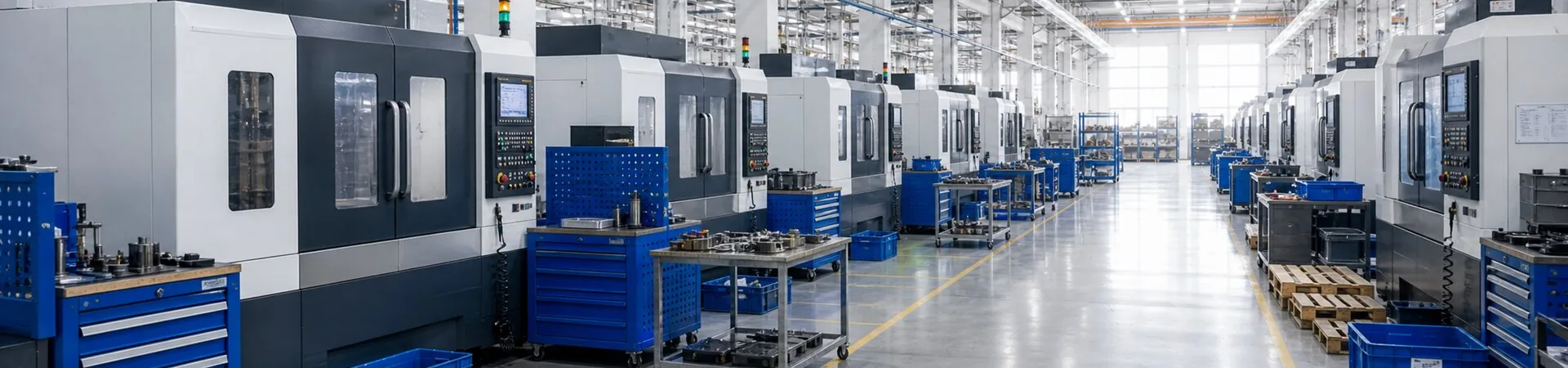
Industrial buyers frequently struggle with variability in custom precision parts from different suppliers. for communication equipment sleeves, consistency is non-negotiable. A single faulty batch of precision machined components can delay entire production lines or cause field failures that are expensive to remediate. That is why leading manufacturers invest in advanced CNC turning services and multi-axis machining centers to produce custom precision sleeves, custom locating pins, and precision ground shafts with repeatable accuracy. These processes allow for complex geometries such as stepped diameters, internal threads, or press-fit features that enable quick assembly without secondary operations. For example, brass press-fit nuts and copper insert nuts are often integrated into sleeve designs for plastic injection molding applications, where the sleeve must withstand high clamping forces and thermal expansion. Similarly, high precision custom fasteners used in telecom enclosures require strict adherence to ASTM or ISO standards. By partnering with a supplier that offers in-house quality control—including CMM inspection, surface profilometry, and material certification—buyers reduce risk and ensure that every batch of custom hardware manufacturing meets the exacting demands of 5G infrastructure, data centers, and satellite communication systems.
The growing reliance on automation and robotics in telecom assembly also drives demand for industrial bushings and custom precision sleeves that can be handled by robotic pick-and-place systems. These components must be free of burrs, have consistent chamfers, and be packaged in a way that prevents contamination. As a result, suppliers that provide custom fasteners for plastic injection molding and ODM custom hardware services are increasingly preferred by OEMs seeking end-to-end solutions. By combining engineering support with high-volume production of custom hardware, these partners help shorten time-to-market while maintaining the quality that mission-critical communication systems require.
For responsible companies for sourcing precision machined components for automation, electronics, and telecom, the choice of sleeve supplier directly impacts product performance and supply chain resilience. Focusing on technical capability, material expertise, and quality assurance ensures that every communication equipment sleeve performs as designed, from the factory floor to the field.