


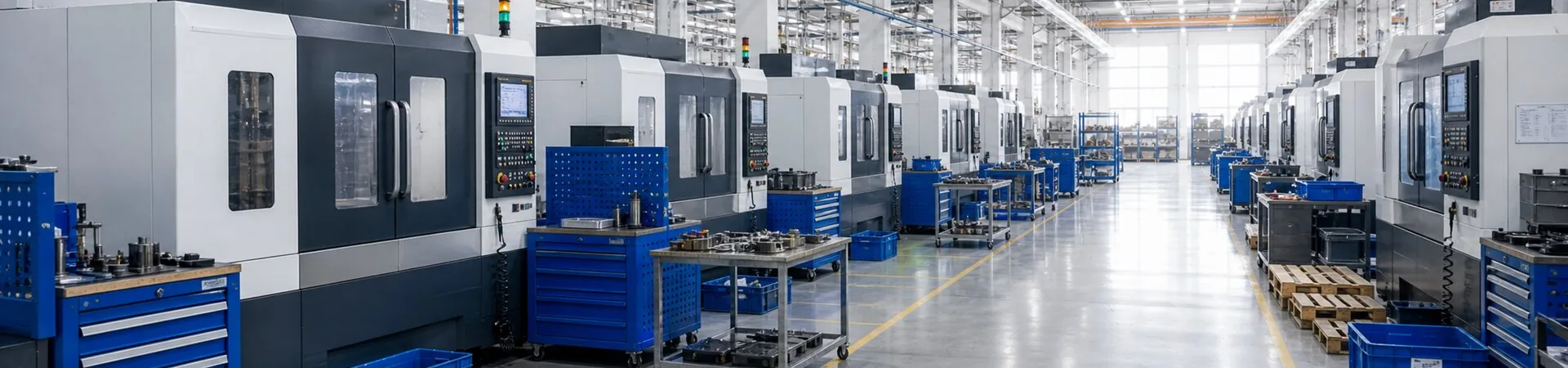
Advanced CNC machining capabilities deliver tight-tolerance precision turned parts and custom hardware for critical medical applications.
SHENZHEN, China – In the changing medical device industry, the margin for error is zero. From surgical instruments to implantable diagnostics, every component must meet exacting standards for reliability, biocompatibility, and dimensional accuracy. As OEMs scale production and regulatory scrutiny intensifies, the demand for precision machined parts—particularly custom CNC machined parts and precision turned parts—continues to rise. Today, leading manufacturers are redefining what is possible with high-precision custom fasteners and custom precision parts designed specifically for medical device applications.
Medical device manufacturers face a unique set of challenges. Components must often be miniaturized, made from specialized materials like stainless steel, brass, or copper, and produced in high volumes without sacrificing quality. This is where advanced CNC turning services and multi-axis machining come into play. For instance, custom precision sleeves and precision ground shafts used in robotic surgical systems require tolerances measured in microns, as well as surface finishes that prevent bacterial adhesion. Similarly, custom locating pins and industrial bushings for diagnostic imaging equipment must hold alignment over millions of cycles. The industry's move toward automation and minimally invasive procedures has only amplified the need for OEM precision parts that are both complex and repeatable.
How do you ensure reliability for critical medical applications?
Reliability in medical devices starts with the smallest components: bushings, sleeves, pins, shafts, nuts, and fasteners. A single failure in a brass insert nut or a stainless steel bushing can lead to catastrophic device malfunction. That is why medical OEMs increasingly turn to suppliers offering custom copper parts and self-lubricating bronze bushings for applications where friction and wear must be minimized. High precision custom fasteners, such as brass press-fit nuts and copper insert nuts, are now standard in plastic injection molding tools used to produce sterile packaging and device housings. These components must withstand repeated autoclaving and chemical exposure without corroding.
Quality control is at the core of this process. Reputable manufacturers deploy rigorous inspection protocols, including CMM measurement and optical scanning, to ensure every custom CNC machined part meets ISO 13485 standards. For medical device parts, traceability is paramount—each batch of custom hardware manufacturing must be accompanied by material certifications and process documentation. The investment in automated inspection systems and tight-tolerance machining centers allows suppliers to deliver high-volume production of custom hardware with low-defect targets, giving engineers the confidence to design for longevity.
What makes custom precision parts ideal for surgical and diagnostic equipment?
The versatility of precision machined components makes them indispensable across medical device categories. For surgical tools, custom turned parts for electronics often overlap with the needs of handheld instruments, where ergonomics and precision are equally critical. Precision machined components for automation, such as those used in robotic-assisted surgery, rely on custom precision sleeves and precision ground shafts to deliver smooth, repeatable motion. In diagnostic systems, custom fasteners for plastic injection molding ensure that housings for sensors and imaging modules remain sealed and secure under continuous operation.
Stainless steel fasteners are particularly favored in medical environments because of their corrosion resistance and strength. Meanwhile, industrial bushings and self-lubricating bronze bushings are being integrated into advanced imaging tables and patient positioning systems. The ability to produce custom hardware manufacturing runs—from prototypes to millions of units—enables OEMs to maintain supply chain agility. Whether it is a brass press-fit nut for a ventilator assembly or a set of custom locating pins for a blood analyzer, the right component supplier becomes a strategic partner in innovation.
The future of medical device parts lies in material science and process automation. As device miniaturization continues, manufacturers are exploring new alloys and surface treatments to enhance biocompatibility and performance. CNC turning services are evolving to accommodate micro-machining and complex geometries, while data-driven quality systems promise even greater consistency. For industrial buyers and technical decision-makers, The main requirement is partnering with a manufacturer that understands the stakes: every custom precision part is a direct contributor to patient safety and clinical outcomes. By investing in advanced capabilities and uncompromising quality standards, the industry is poised to deliver the next generation of life-saving medical technologies.