


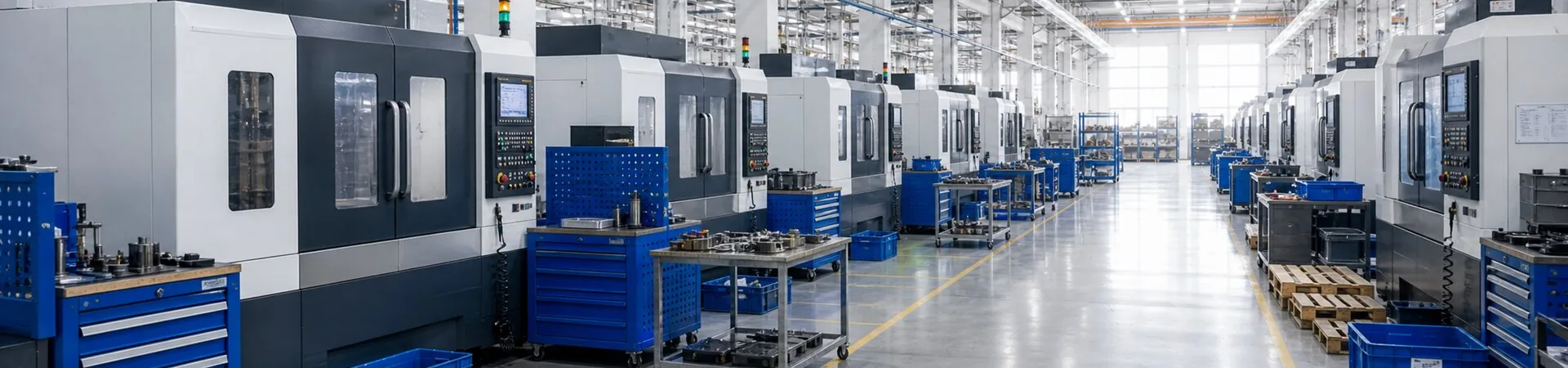
Industry demand for lighter, faster, and more durable mechanical components continues to rise. As automation systems, robotics, and medical devices push the limits of speed and precision, the role of custom aluminum shafts has become increasingly critical. Manufacturers today require standard off-the-shelf components but precision machined parts tailored to exact specifications—especially when weight reduction without sacrificing strength is a primary engineering goal. Custom CNC machined parts made from high-grade aluminum alloys are emerging as the preferred choice for OEMs and integrators seeking to optimize system performance.
Why Custom Aluminum Shafts Outperform Standard Alternatives
Engineers designing precision motion systems face a persistent challenge: how to reduce inertia and energy consumption while maintaining tight tolerances and long service life. Aluminum shafts, when properly engineered, offer a compelling solution. Compared to steel, aluminum provides approximately one-third the density, which directly translates to lower rotational inertia and faster acceleration in servo-driven applications. However, the key lies in material selection and machining precision. High-quality custom precision parts made from 6061-T6 or 7075-T6 aluminum alloys can achieve tensile strengths comparable to mild steel while remaining significantly lighter.
The real advantage emerges when these shafts are produced through advanced CNC turning services and multi-axis machining. Tight tolerances of ±0.01 mm or better are achievable with modern equipment, ensuring consistent fit with bushings, sleeves, and bearings. For applications such as precision ground shafts used in linear motion guides or custom locating pins in assembly fixtures, the dimensional accuracy of custom CNC machined parts directly impacts overall system repeatability. Manufacturers that invest in rigorous quality control—including in-process inspection and final dimensional verification—deliver components that meet the demanding standards of automotive fasteners and precision machined components for automation.
Critical Applications Across High-Tech Industries
Custom aluminum shafts are not a one-size-fits-all product. Their value is most evident in specific use cases where weight, corrosion resistance, and thermal conductivity matter. In the electronics sector, custom turned parts for electronics often require non-magnetic and non-sparking properties, making aluminum an ideal choice for sensor housings and robotic end-effectors. Similarly, custom precision parts for consumer electronics demand sleek finishes and tight weight budgets, where aluminum shafts replace heavier steel alternatives without compromising structural integrity.
In automation and robotics, the trend toward collaborative robots and high-speed pick-and-place systems has accelerated demand for lightweight yet rigid components. Precision machined components for automation that include aluminum shafts reduce the load on motors and bearings, extending equipment life and lowering energy costs. For medical device manufacturers, where sterilization cycles and biocompatibility are concerns, anodized aluminum shafts offer excellent corrosion resistance and cleanability. Even in aerospace, where every gram counts, custom aluminum shafts are used in actuation systems and control mechanisms.
Another growing application is in custom fasteners for plastic injection molding. Aluminum shafts are sometimes employed as ejector pins or guide pins in low-volume or prototype molds, where their thermal properties help reduce cycle times. While stainless steel bushings remain standard for high-wear applications, aluminum components offer a cost-effective alternative for specific production runs. High-volume production of custom hardware in aluminum is now feasible thanks to advanced CNC machining cells that combine speed with precision.
Meeting the Demands of current production
The shift toward lightweight design is not a passing trend but a fundamental requirement of next-generation machinery. Companies that specialize in custom hardware manufacturing understand that delivering custom precision parts is about more than cutting metal—it is about engineering solutions. From brass insert nuts and copper insert nuts used in plastic molding to self-lubricating bronze bushings for high-load applications, every component must be optimized for its specific environment.
For custom aluminum shafts, the manufacturing process must account for material characteristics such as chip formation, heat dissipation, and surface finish. Experienced shops employ specialized tooling and coolant strategies to prevent work hardening and achieve the required surface roughness. Whether producing custom precision sleeves for pneumatic cylinders or high precision custom fasteners for assembly tools, the ability to hold tight geometries consistently separates commodity suppliers from trusted partners.
“Our customers are buying a shaft—they are buying reliability in motion,” said a senior engineer at a leading precision machining firm. “When a custom aluminum shaft integrates cleanly with stainless steel fasteners and press-fit nuts, the entire system benefits from reduced vibration, longer life, and lower total cost of ownership.” This perspective underscores the importance of viewing custom CNC machined parts as integral elements of larger engineering systems rather than isolated commodities.