


NEWS ANALYSIS: As demand for lightweight, high-performance assemblies grows, precision-engineered plastic assembly fasteners and custom hardware solutions are redefining reliability across automotive, electronics, and automation sectors.
SHENZHEN, China – Industrial buyers across automotive, electronics, medical device, and automation industries are facing increasing pressure to reduce weight, lower costs, and improve assembly efficiency without compromising on strength or durability. In response, precision hardware manufacturers are expanding their capabilities in plastic assembly fasteners, including brass insert nuts, copper insert nuts, press-fit nuts, and custom precision parts designed specifically for plastic and composite materials. These components are no longer secondary items—they are now critical to the performance of OEM precision parts and ODM custom hardware systems.
Market Context and the Challenge of Plastic Assembly
Traditional metal-to-metal fastening solutions often fail when applied to plastic housings,enclosures, and structural components. The risk of thread stripping, material cracking, and thermal expansion mismatch is high. This is where precision machined parts like custom precision sleeves, custom locating pins, and industrial bushings become essential. Engineers sourcing plastic assembly fasteners must consider pull-out strength and compatibility with injection molding processes, vibration resistance, and long-term reliability under varying temperatures.
Manufacturers that offer custom CNC machined parts and high precision custom fasteners are now integrating threaded inserts directly into plastic parts during molding or post-molding operations. Brass press-fit nuts and self-lubricating bronze bushings are especially popular in automotive fasteners and precision machined components for automation, where repeated disassembly and reassembly is common.
Key Innovations and Manufacturing Capabilities
To meet the demands of industries like consumer electronics and medical devices, precision turned parts suppliers have developed tighter tolerances and more complex geometries for plastic assembly fasteners. Custom turned parts for electronics, for example, require miniature brass insert nuts and copper insert nuts that can be heat-staked or ultrasonically welded into thin-walled plastic enclosures. These custom precision parts for consumer electronics must maintain conductivity, corrosion resistance, and mechanical stability.
For automation and robotics, precision ground shafts and stainless steel bushings are often paired with custom fasteners for plastic injection molding to ensure zero-play in sensor equipment and robotic arms. CNC turning services now routinely achieve tolerances within ±0.01 mm, even for high-volume production of custom hardware. Quality control processes include CMM inspection, material certification, and batch traceability, ensuring that every batch of custom hardware manufacturing meets ISO and industry-specific standards.
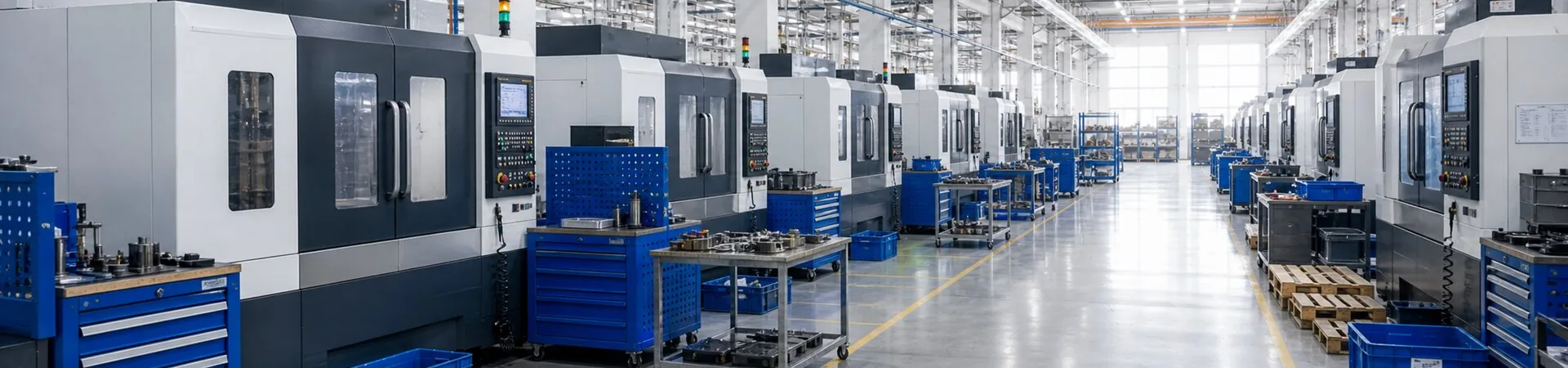
The ability to produce custom copper parts, stainless steel fasteners, and industrial bushings in large quantities, while maintaining consistency, has become a competitive differentiator. Companies investing in multi-axis CNC lathes and automated inspection systems are better positioned to serve OEMs that demand both speed and precision.
Industry Applications and Future Outlook
In the automotive sector, plastic assembly fasteners are increasingly used in interior trim, battery housings, and under-the-hood components where weight reduction is critical. Brass insert nuts and press-fit nuts provide the thread strength needed for repeated service access. For medical devices, custom precision parts must meet stringent biocompatibility and sterilization requirements, often utilizing stainless steel or specialty alloys.
Looking ahead, the trend toward lightweight materials and modular assembly will drive further innovation in plastic assembly fasteners. Manufacturers that combine CNC turning services with in-house tooling and design support will capture more business from engineers seeking integrated solutions. As one industry insider noted, “The future of precision hardware is about tighter tolerances—it's about solving real assembly problems for plastics, and doing it at scale.”