


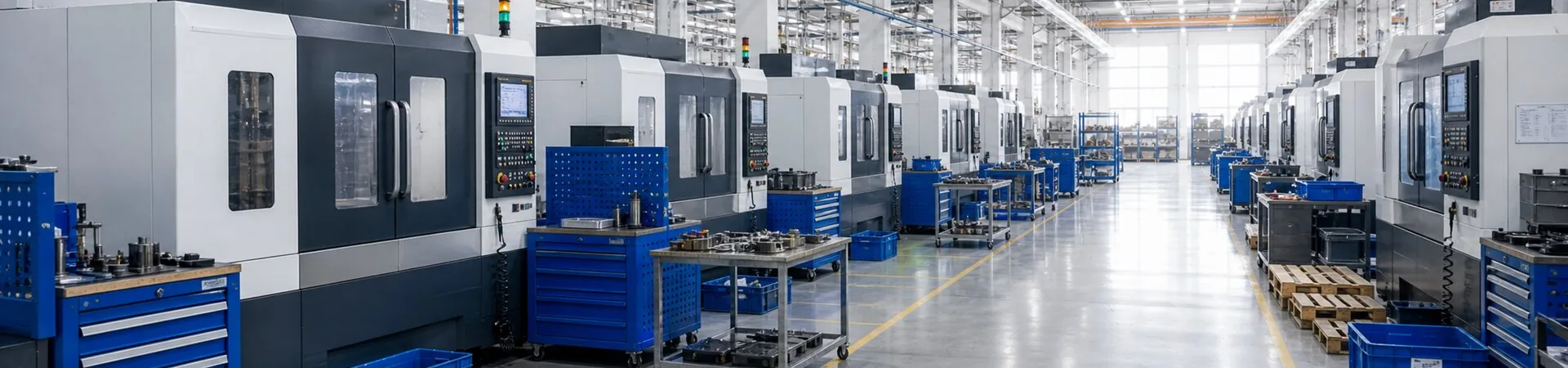
Efficient global logistics ensures reliable delivery of OEM precision parts and custom CNC machined parts for industrial buyers worldwide.
SHANGHAI – June 2026 – As supply chains grow more complex, the ability to deliver custom precision parts across borders has become a decisive factor for industrial buyers in automotive, electronics, and automation sectors.
For manufacturers sourcing precision machined components, the challenge is about quality and cost. The real differentiator is whether a supplier can consistently ship custom CNC machined parts to factories in different continents without delays or damage. Global shipping capabilities have emerged as a core competency that separates top-tier precision hardware manufacturers from the rest. Without a reliable logistics backbone, even the best precision turned parts can lose value if they arrive late or damaged.
Global logistics as a competitive advantage for custom hardware manufacturing
The demand for custom precision parts has surged across industries, from automotive fasteners used in engine assemblies to custom turned parts for electronics in sensor equipment. However, industrial buyers often face a hidden bottleneck: the supplier's shipping network. For companies producing precision machined parts for automation systems or medical devices, any disruption in delivery can halt production lines. A single missing batch of custom locating pins or stainless steel bushings can cause costly downtime.
Suppliers with strong global shipping capabilities offer more than freight options. They provide predictability. When a buyer orders brass insert nuts or self-lubricating bronze bushings from a factory in Asia, they need assurance that the parts will clear customs smoothly and arrive within the promised window. This requires pre-clearance documentation, partnerships with reliable carriers, and flexible routing strategies. For industries like aerospace and telecommunications, where high precision custom fasteners are often made to tight deadlines, the logistics chain must be equally precise.
Industry-specific shipping realities for OEM precision parts and ODM custom hardware
Different sectors impose unique demands on shipping. For example, custom fasteners for plastic injection molding, such as brass press-fit nuts and copper insert nuts, are often shipped as part of larger assembly kits. These must be packed carefully to avoid contamination or deformation. Meanwhile, precision ground shafts and industrial bushings intended for automation robotics require shock-resistant packaging due to their weight and length.
The automotive sector, which relies on automotive fasteners and custom copper parts, often demands -in-time delivery. A supplier that offers high-volume production of custom hardware must also manage container consolidation, sea-air split shipments, and regional warehousing. For buyers of OEM precision parts, the ability to source from a single supplier that handles both manufacturing and global logistics simplifies vendor management and reduces risk. When a company can deliver custom CNC machined parts from Shanghai to a factory in Detroit or Stuttgart within a consistent lead time, it builds trust.
Major industrial buyers now evaluate suppliers on CNC turning services and tolerance capabilities and on shipping track records. A certified supplier with ISO standards and shipping performance for stainless steel fasteners and custom precision sleeves gains a clear edge. The future of precision parts sourcing will belong to manufacturers that treat logistics as an extension of their quality promise. As one procurement manager for an automation firm recently noted, “We can source the best custom precision parts in the world, but if the supplier cannot document them reliably, the parts are useless to us.”